



Can membranes clean biogas — and make money doing it?
A Dutch biogas-upgrading company needed to know if gas-liquid membrane contactors could remove CO₂ from biogas — technically and economically. That question became my six-month internship in Joure and my thesis.
How the process works — click each stage
Benchmark & P&ID
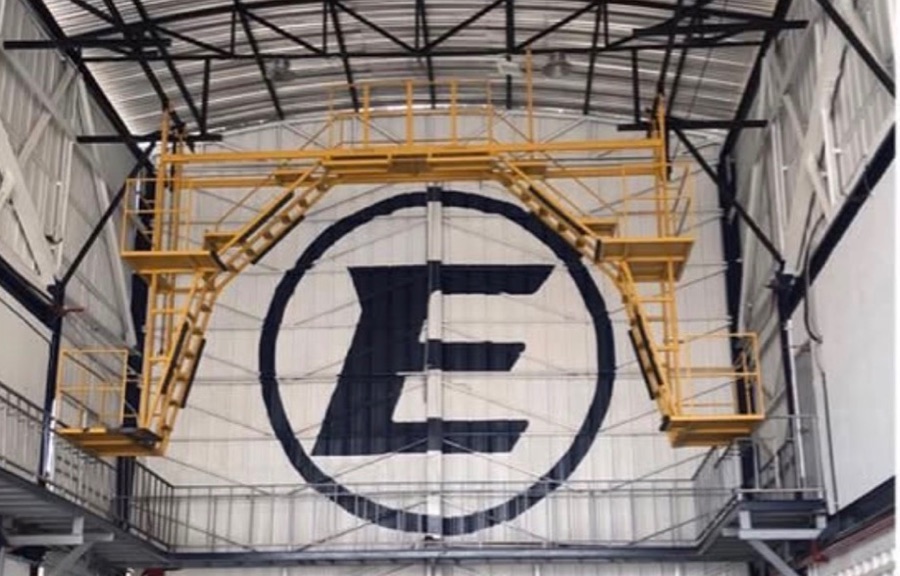
Four hollow-fibre contactors — Liqui-Cel 8×20, 10×28, 14×28 and Edgecross ETC-10×28 — compared with a House of Quality matrix, plus a market study of upgrading technologies.
P&ID built on an existing pilot plant in Germany, which I visited. Absorption and desorption sized, every piece of equipment listed, mass and energy balances.
Does it pay?
CAPEX, OPEX, pre-treatment and transport costs, for flows from 50 to 1,000 Nm³/h.
profit, depending on flow rate, module and transport distance
Feasible on both counts: a 0.20–0.35 €/Nm³ Bio-CNG margin above 200 Nm³/h. Edgecross ETC-10×28 and Liqui-Cel Extra Flow 8×20 performed best; the report recommended combining membranes with chemical absorption to cut capital costs further.
Recognition
AVPG Academic Award · XI Edition, 2016
Granted by the Venezuelan Association of Gas Processors to this thesis.
Thesis — Universidad Simón Bolívar, Chemical Engineering, 2015: "Technical and economic feasibility of CO₂ absorption from biogas via gas-liquid membrane contactors."